Sciatica Treatment in Totnes
Sciatica Is Often More Complex Than People Realise
Sciatica is not actually a diagnosis in itself. It is a description of pain, tingling, numbness, weakness, or altered sensation travelling along the pathway of the sciatic nerve, usually into the buttock, leg, calf, or foot. For some people it feels like a dull ache. For others it can be sharp, burning, electric, gripping, or deeply exhausting. Sometimes the pain stays mainly in the lower back and hip. In other cases the leg symptoms become the dominant issue. At The BodyWorx Osteopathy, treatment begins with understanding why the sciatic nerve is becoming irritated in the first place. That process matters, because different causes of sciatica often require very different approaches. If you are looking for osteopathic treatment for sciatica in Totnes, the first priority is a thorough assessment, not simply chasing the site of pain.
What Causes Sciatica?
Sciatic symptoms can arise from several different structures and mechanisms, including:
• Lumbar disc irritation or disc bulges
• Joint restriction in the lower back or pelvis
• Muscular compression around the hip and buttock
• Piriformis syndrome
• Fascial tension through the posterior chain
• Inflammation around nerve pathways
• Degenerative spinal changes
• Reduced movement variability and long-term postural strain
• Pregnancy-related pelvic and lumbar changes
• Old injuries that have altered whole-body mechanics over time
Sometimes symptoms develop suddenly after lifting, twisting, or sport. Other times they build gradually over months or years. In many chronic cases, the body adapts around restriction patterns long before pain appears. The eventual sciatic flare-up can be the final expression of a much larger mechanical story.
Why Professional Assessment Matters
Although most cases of sciatica are mechanical and respond well to conservative care, there are occasions where sciatic-type symptoms may relate to more serious conditions. This is one reason why persistent nerve pain should never simply be self-diagnosed from social media or generic stretching videos. A qualified osteopath is trained to screen for signs that may require medical referral or further investigation, including:
• Significant muscle weakness
• Progressive neurological symptoms
• Loss of bladder or bowel control
• Saddle numbness
• Severe unexplained night pain
• Systemic illness
• Certain vascular or inflammatory conditions
Good clinical care is not about assuming everything is “just tight muscles”. It is about understanding the context of the symptoms and recognising when something needs a different level of investigation.
A Whole-Body Approach to Sciatica
At The BodyWorx, sciatica is approached through a whole-body osteopathic lens. The body does not operate as isolated parts. The spine, pelvis, hips, fascia, diaphragm, rib cage, feet, gait patterns, breathing mechanics, and nervous system all influence one another continuously.
Modern fascial and biotensegrity models help explain why tension or dysfunction in one region can alter load transfer through entirely different parts of the body. For example:
• Reduced hip mobility may overload the lumbar spine
• Foot mechanics can alter pelvic tension patterns
• Old ankle injuries may subtly change gait for years
• Breathing restriction can influence spinal mechanics and nervous system tone
• Chronic stress can increase muscular guarding and pain sensitivity
Treating only the painful area often misses the broader pattern that allowed the irritation to develop.
Osteopathic Treatment for Sciatica
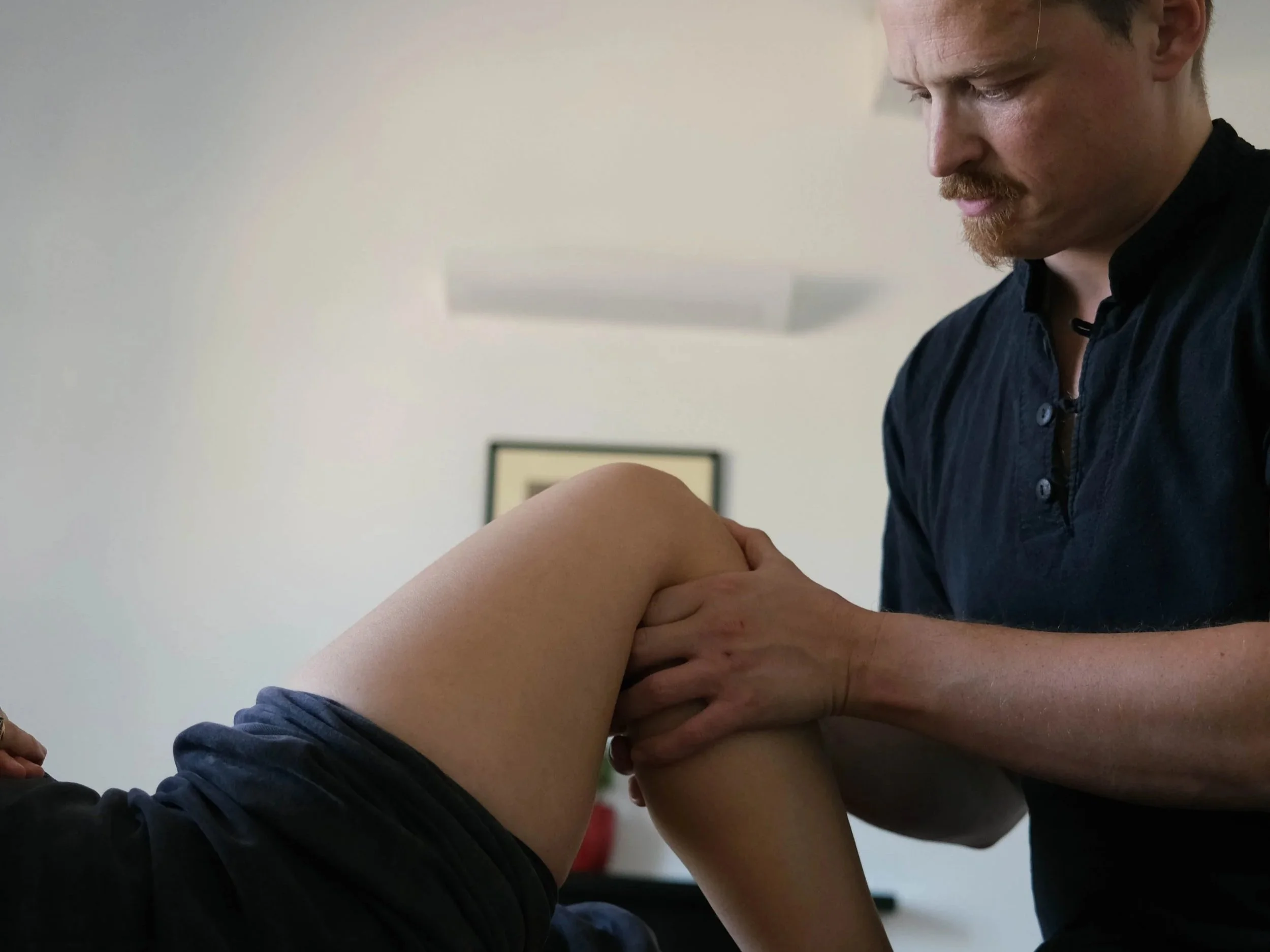
Treatment is tailored to the individual presentation and stage of irritation. Depending on your needs, osteopathic treatment may include:
• Gentle joint mobilisation
• Soft tissue and myofascial techniques
• Muscle energy techniques
• Stretching and decompression approaches
• Neural mobility work
• Postural and movement assessment
• Mobility and strengthening advice
• Breathing and rib cage mechanics
• Exercise rehabilitation
• Lifestyle and ergonomic guidance
Some cases respond quickly. Others, particularly longstanding or recurrent sciatica, require a more gradual process of restoring adaptability and reducing accumulated strain through the system. The aim is not simply short-term symptom suppression, but helping the body move and distribute force more effectively again.
When To Seek Help
You may benefit from osteopathic assessment if you are experiencing:
• Pain travelling into the buttock or leg
• Tingling or numbness
• Burning or electric sensations
• Pain aggravated by sitting or bending
• Recurrent episodes of lower back and leg pain
• Reduced mobility or walking tolerance
• Persistent tightness that keeps returning
Early intervention can often prevent irritation patterns becoming more chronic and sensitised.
Sciatica Treatment at The BodyWorx Osteopathy
At The BodyWorx the focus is on thoughtful, hands-on, evidence-informed care that considers the body as an interconnected system rather than a collection of isolated symptoms. If you are struggling with sciatica in Totnes or the surrounding South Devon area, osteopathic treatment may help you better understand the drivers behind your pain and support a more resilient recovery process.